Water treatment
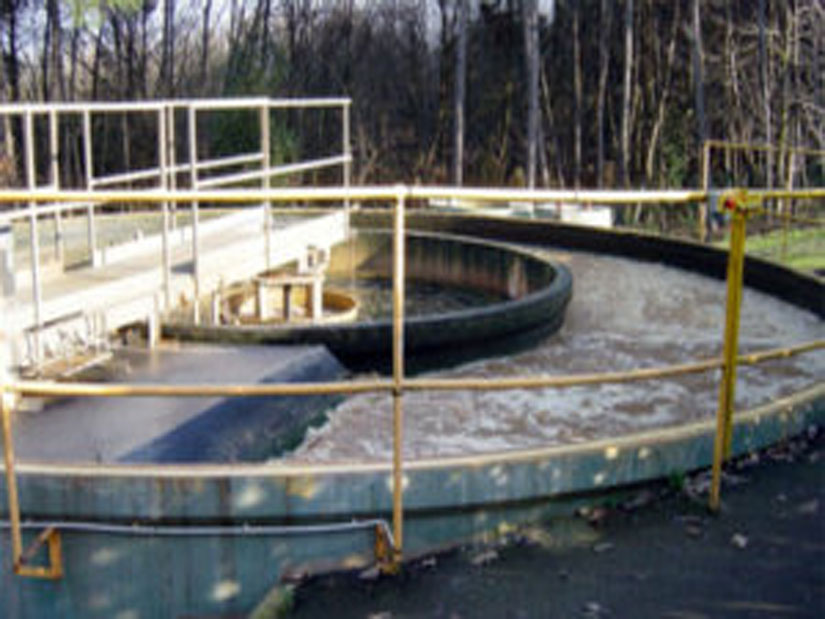
From the entry of wastewater into the plant to the discharge into the natural environment, different steps are taken between the initial treatment and purification. This process requires the use of various corrosive chemicals (e.g. iron chloride, sulphuric acid or hydrochloric acid). During these different steps, the water is in motion and some splashes may occur on nearby employees, especially those responsible for checking that the treatment goes smoothly. These steps include flocculation, denitrification and dephosphatation, where chemicals are required. These are the stages where employees can receive splashes.
It is also necessary to keep the air free of any unpleasant odors for the residents living near the wastewater treatment plant. For this purpose, the air is cleaned with chemicals in 3 cycles: with sulfuric acid, with bleach and with caustic soda.
The employee must decontaminate themselves quickly even if they cannot see or move. The pain associated with the splash of the chemical is also a burden. It is necessary to act efficiently and quickly. The employee, affected by a splash, needs an effective rinsing solution and quick treatment
Advantages of the Diphoterine® solution for this sector
- Unique protocol
- An effective solution against all types of chemical substances
- Wash anywhere
- Quick response
- Fast and serene reaction
- Relieves pain
- A reliable wash for any injuries
Mobile solutions
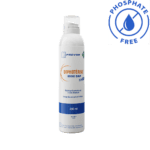
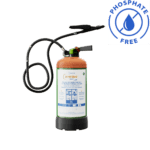
Individual containers

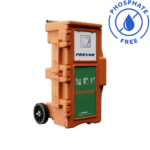
Collective containers

Testimonials